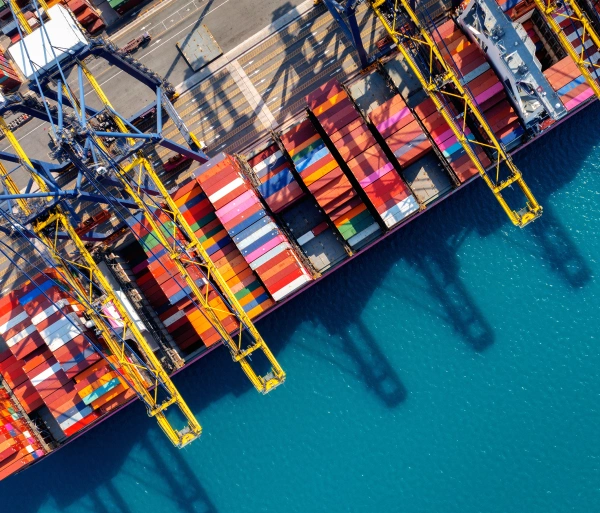
Logistics insurance is designed for freight carriers, warehousing operators, and supply chain providers moving goods across the country. With over 131,000 logistics companies operating in Canada, specialized coverage protects against cargo loss, fleet liability, and the operational disruptions inherent in transportation.
Logistics companies manage transportation, warehousing, and supply chain operations, which come with unique risks including cargo loss, vehicle accidents, and operational delays.
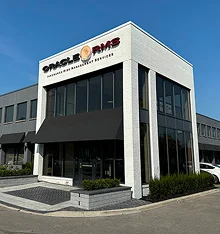
Oracle RMS delivers insurance solutions that keep your logistics operations protected and compliant. Request a quote or speak with our team today.
A typical logistics program includes commercial auto and fleet coverage for tractors and trailers, cargo insurance for the freight you haul, commercial general liability, warehouse legal liability if you store goods, commercial property for terminals and equipment, and umbrella or excess liability to meet shipper contract requirements. Freight brokers, couriers, and last-mile operators each need a different structure.
Cargo insurance covers loss or damage to freight in your care while it is in transit. Coverage should reflect the highest-value load you carry rather than the average, and the policy must match the commodities you actually haul. Many forms restrict or exclude categories such as electronics, tobacco, alcohol, pharmaceuticals, and temperature-controlled goods. Reefer breakdown is a common gap if you move refrigerated freight.
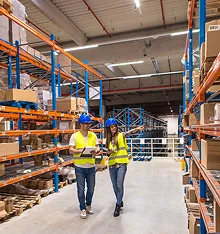
Warehouse legal liability, sometimes called bailee coverage, responds when goods belonging to your customers are damaged, destroyed, or stolen while stored at your facility. Your commercial property policy covers your own building and equipment but excludes property of others in your care. Any operation offering storage, cross-docking, fulfilment, or consolidation should carry it, based on peak inventory value rather than typical levels.

Yes. A broker arranges transportation rather than performing it, so the primary exposure is professional: selecting an unqualified carrier, misdirecting a shipment, or failing to arrange coverage as instructed. Freight brokers typically carry errors and omissions coverage together with contingent cargo and contingent auto liability, which respond when the underlying carrier’s policy does not. Operating on a carrier’s policy alone leaves a gap.
Insurers reviewing an Ontario trucking risk look closely at your CVOR record, including collision, conviction, and inspection data, alongside individual driver abstracts. A deteriorating violation rate can affect pricing and whether an insurer offers terms at all. Documented hiring standards, ongoing driver training, telematics, and a formal maintenance program help demonstrate a managed risk and support your broker at renewal.
Only if your policy is specifically extended for it. US operations call for broader liability coverage than domestic-only work, along with the federal filings and financial responsibility endorsements required for authority, and cargo wording that responds under US conditions. Confirm your territory before dispatching a cross-border load, since coverage that stops at the border is a costly assumption.
Not automatically. Trailer interchange and non-owned trailer coverage protect you for physical damage to trailers you pull under an interchange agreement or lease. Many shippers and equipment providers require it contractually. Let your broker know about any interchange arrangements so the agreements and your coverage line up.